Looking Back at Our Climate Chance Team’s Field Mission in Guinea
Since 2022, Climate Chance has been implementing a key strategy complementary to climate action: putting ecological connectivity at the forefront. Connecting land and sea is recognized as one of the major adaptation responses to ensure the resilience of species and ecosystems.
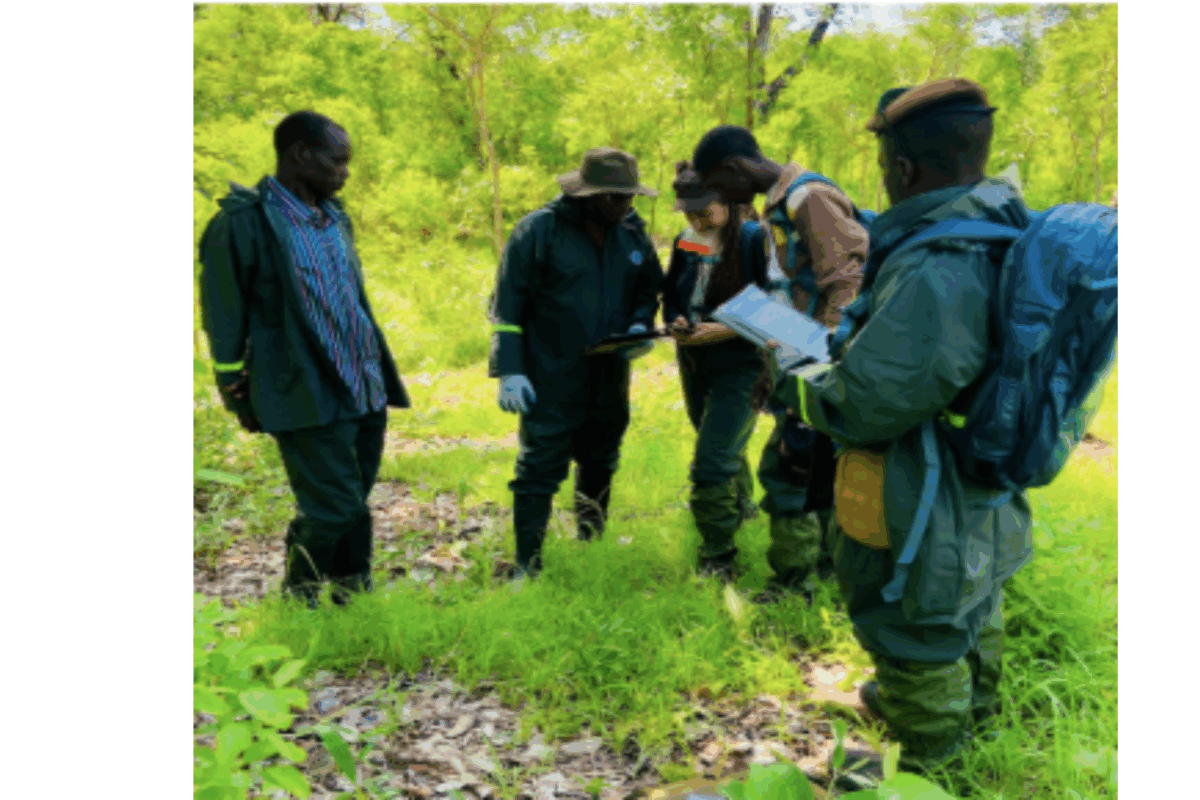
From June 23 to July 3, 2025, a joint mission was conducted in the Fouta Djalon to validate on-the-ground the routes of several priority ecological corridors. This initiative brought together key stakeholders, including the UNDP (PGIRN-PBF), Climate Chance, MBOP, UPA DI, the Guinean Office of National Parks and Wildlife Reserves, and the National Directorate of Forests and Wildlife.
During the mission, teams of experts combined field observations, geospatial surveys, and scientific analyses to confirm the optimal corridor routes and identify high-biodiversity areas. Various signs of wildlife were recorded, highlighting the ecological richness of the region and the potential for connectivity between habitats.
Participants, including Marion Cassinot and Alpha Oumar Barry from the Climate Chance team, also worked to strengthen cooperation between local and international partners and to prepare operational tools for the sustainable management of the corridors. Mission leader Mamadou Hassimiou Barry (UNDP) emphasized the importance of this scientific and collaborative approach to support biodiversity conservation and the development of functional, safe corridors for wildlife.
This initiative demonstrates how science, inter-institutional coordination, and field-based methodologies can combine to deliver concrete and lasting results for biodiversity and ecological connectivity.
👉 To learn more and read the full details of the mission, see the article on the International Biodiversity Corridors Coalition website.