
Brussels Declaration of European Non-State Actors
Adopted in Brussels on 3 and 4 June 2026, the Brussels Declaration represents the collective contribution of European non-state actors to the future European strategy on climate adaptation and resilience.
As Europe warms at a faster rate than the global average and the impacts of climate change intensify across all European territories, adaptation is becoming a key issue for the resilience of local authorities, businesses and citizens.
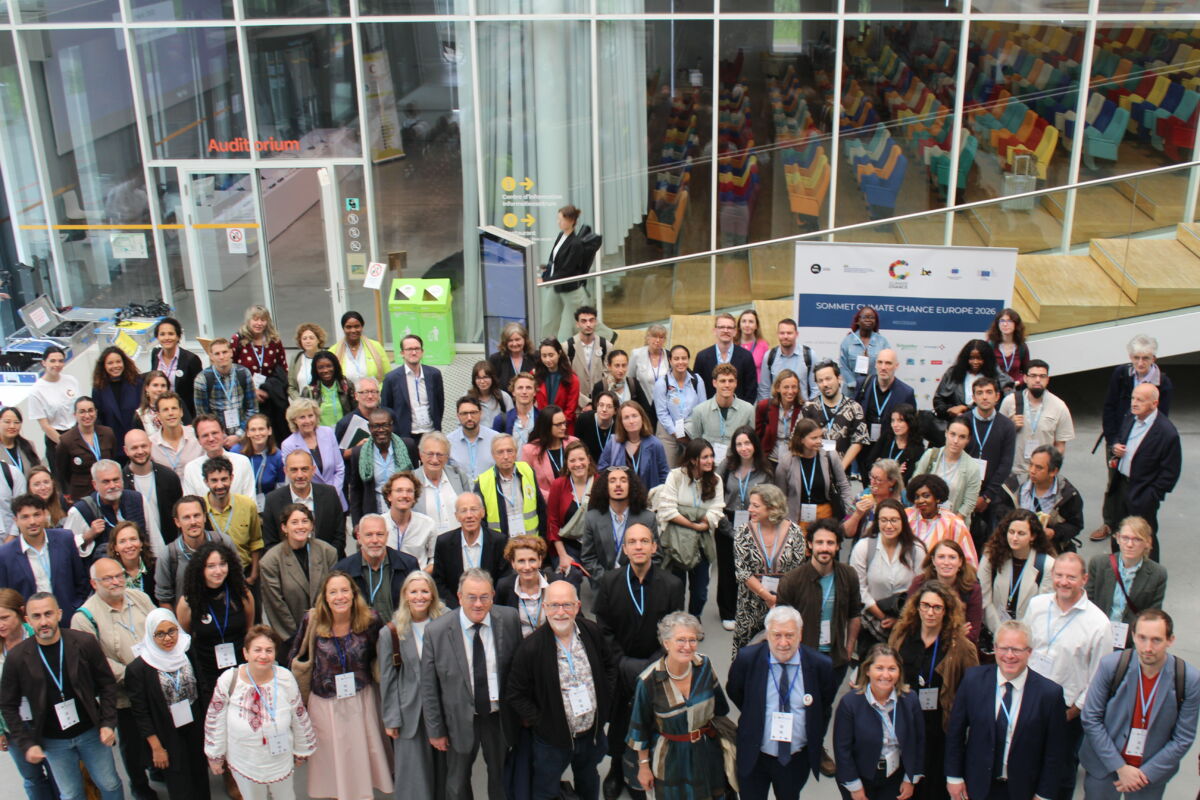
Gathering in Brussels on 3 and 4 June 2026 at the , representatives of local and regional authorities, businesses, civil society organisations, research bodies and European networks adopted the Brussels Declaration of European Non-State Actors.
This declaration sets out a series of recommendations intended to inform the European Commission’s deliberations as it prepares the future European adaptation strategy.
In particular, the signatories call for the adoption of a common European climate reference pathway, increased funding for adaptation, better anticipation of climate risks, and a more systematic integration of resilience into all public policies and investments.
They also reaffirm the importance of maintaining ambitious international cooperation, particularly with those regions most vulnerable to the consequences of climate change, notably in Africa.
As Europe is warming faster than the global average and the impacts of climate change are intensifying across European territories, adaptation is becoming a central challenge for the resilience of local authorities, businesses and citizens.
Gathered in Brussels on 3 and 4 June 2026 during the Climate Chance Europe 2026 Summit, representatives of local and regional authorities, businesses, civil society organisations, research institutions and European networks adopted the Brussels Declaration of European Non-State Actors.
This declaration sets out a series of recommendations intended to contribute to the European Commission’s reflections in preparation for the future European Adaptation Strategy.
The signatories notably call for the adoption of a common European climate reference pathway, increased funding for adaptation, improved anticipation of climate risks, and the systematic integration of resilience across public policies and investment decisions.
They also reaffirm the importance of maintaining an ambitious international cooperation agenda, particularly with the territories most vulnerable to the impacts of climate change, especially in Africa.