
Brussels Declaration: European Non-State Actors Receive a First Positive Signal from the European Commission
The Climate Chance Europe 2026 Summit concluded with the adoption of the Brussels Declaration, which sets out the priorities of non-state actors for strengthening Europe’s climate resilience.
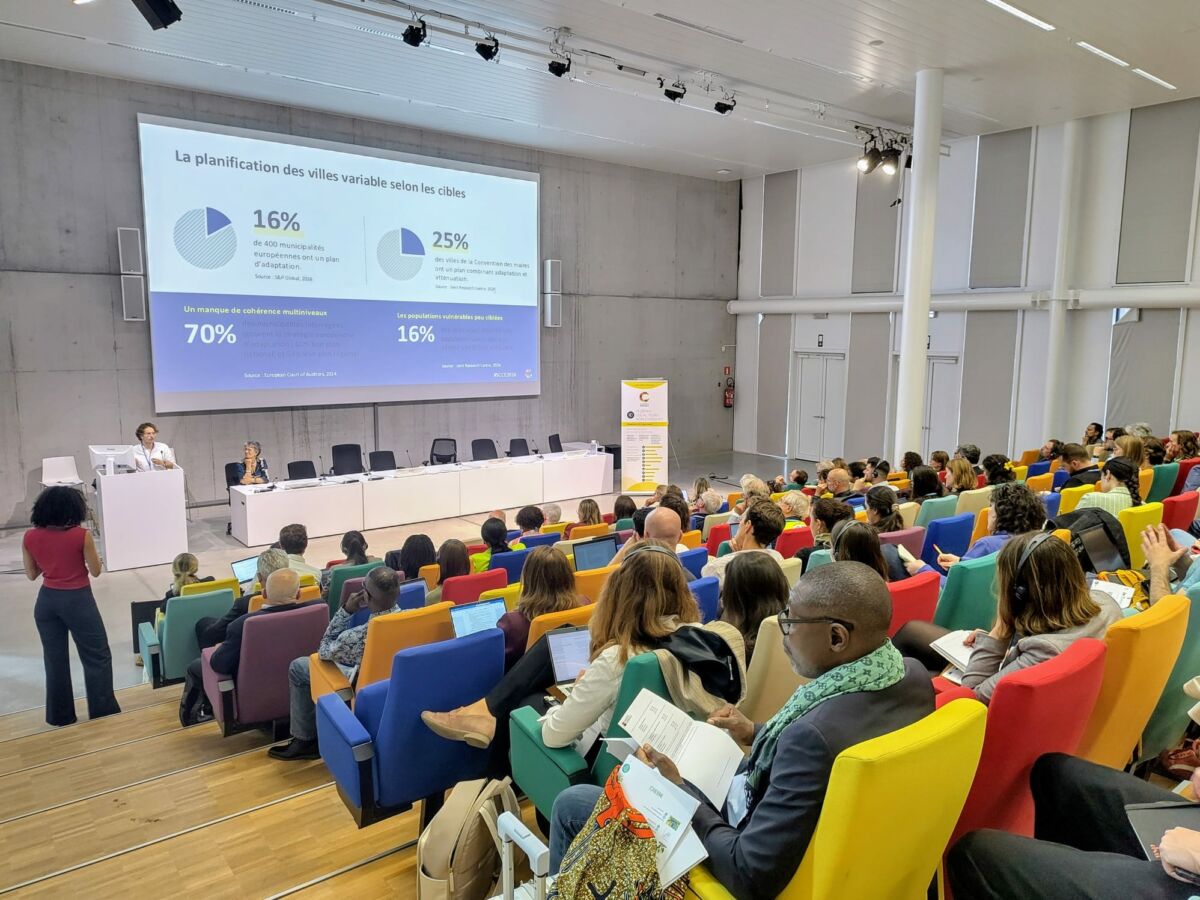
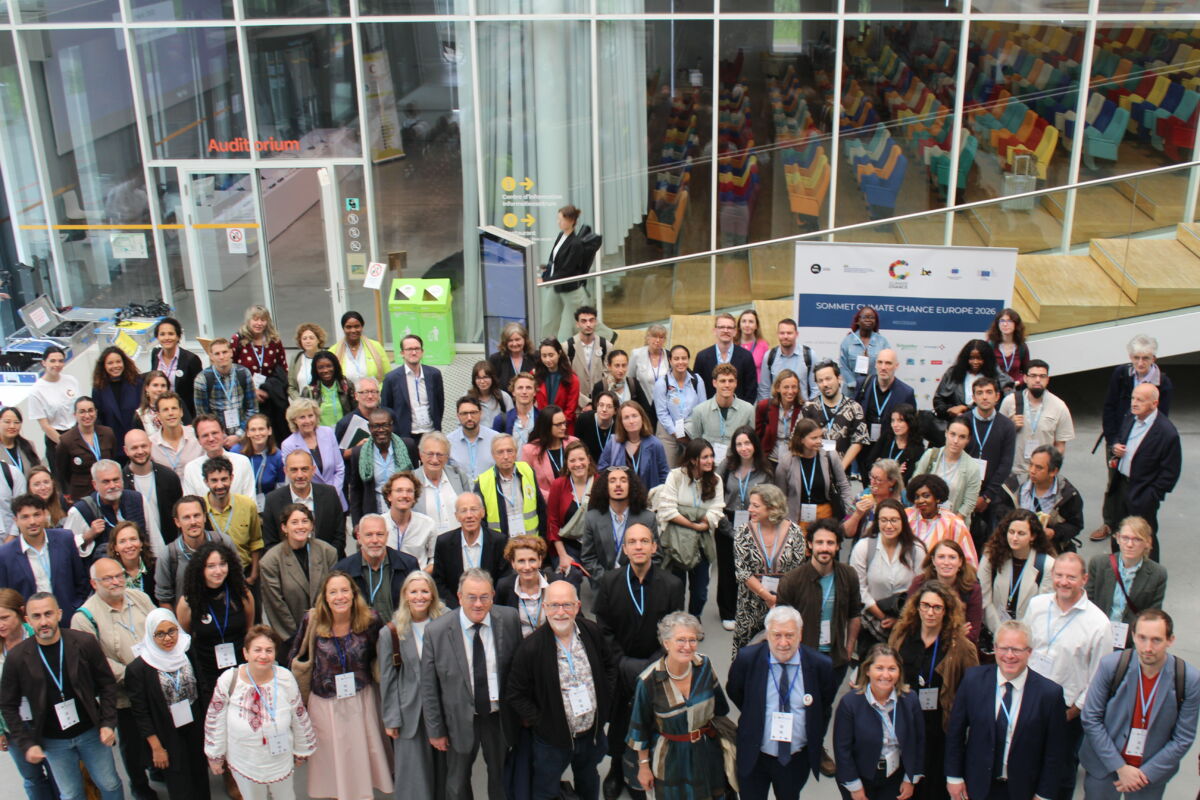
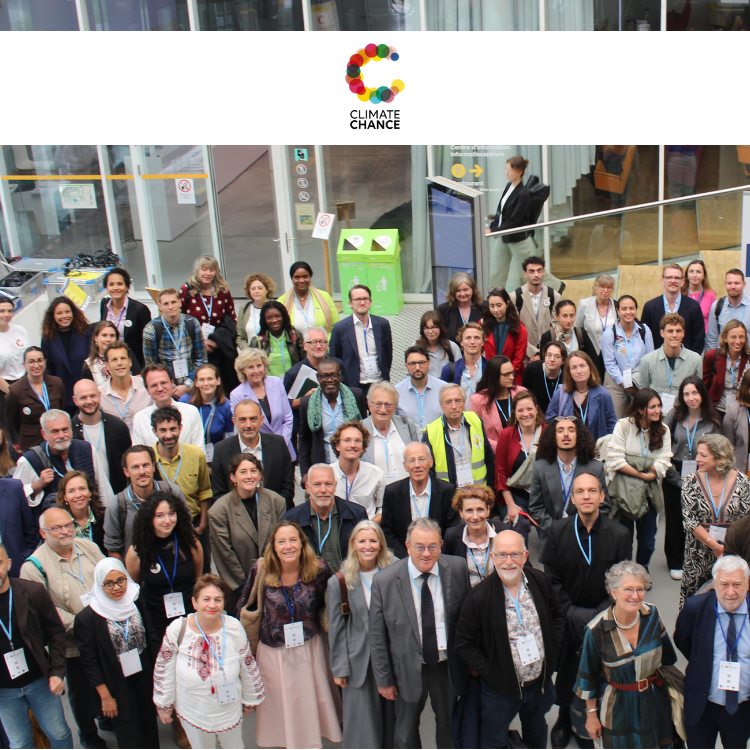
The Climate Chance Europe 2026 Summit concluded in Brussels after two days of intensive discussions, bringing together several hundred representatives from local and regional authorities, businesses, NGOs, European institutions and climate adaptation experts.
Held at a pivotal moment, as the European Commission prepares its future Adaptation Strategy, the Summit provided an opportunity to put forward strong proposals and foster direct dialogue between European decision-makers and local stakeholders. The main outcome of this collective mobilization was the adoption of the Brussels Declaration, which sets out the priorities of non-state actor networks to strengthen Europe’s climate resilience.
Already endorsed by major European local government networks, leading NGOs and business networks, the Declaration will be circulated in the coming weeks to the European Commission, national governments and Members of the European Parliament.
A Major Step Forward: Towards a Common European Climate Reference Pathway for Adaptation
At the heart of the Declaration lies a proposal promoted by Climate Chance since the Marseille Summit in March 2025: the adoption of a common European climate reference pathway.
As climate impacts continue to intensify, non-state actors are calling for public policies, investments and adaptation strategies to be built around a shared climate scenario. Such a common reference would enable local authorities, businesses and institutions to anticipate future risks on a coherent and consistent basis.
This proposal received particularly encouraging support in Brussels. During the opening plenary session, Elina Bardram, Director for Adaptation and Resilience at the European Commission’s DG Climate Action, explicitly acknowledged the relevance of the work undertaken in France through the TRACC framework and the National Climate Change Adaptation Plan.
Furthermore, she indicated that the Commission is considering how such an approach could be integrated into its future policy framework, emphasizing that adaptation should become a cross-cutting principle of European public action. The prospect of introducing provisions encouraging decision-makers to take such a reference pathway into account represents a particularly strong signal for stakeholders who have been advocating for this approach for several years.
This convergence marks an important milestone, demonstrating the capacity of local authorities, businesses, associations and territorial networks to contribute directly to the development of European adaptation policies.
Strong Political Commitment Reaching the Council of Ministers
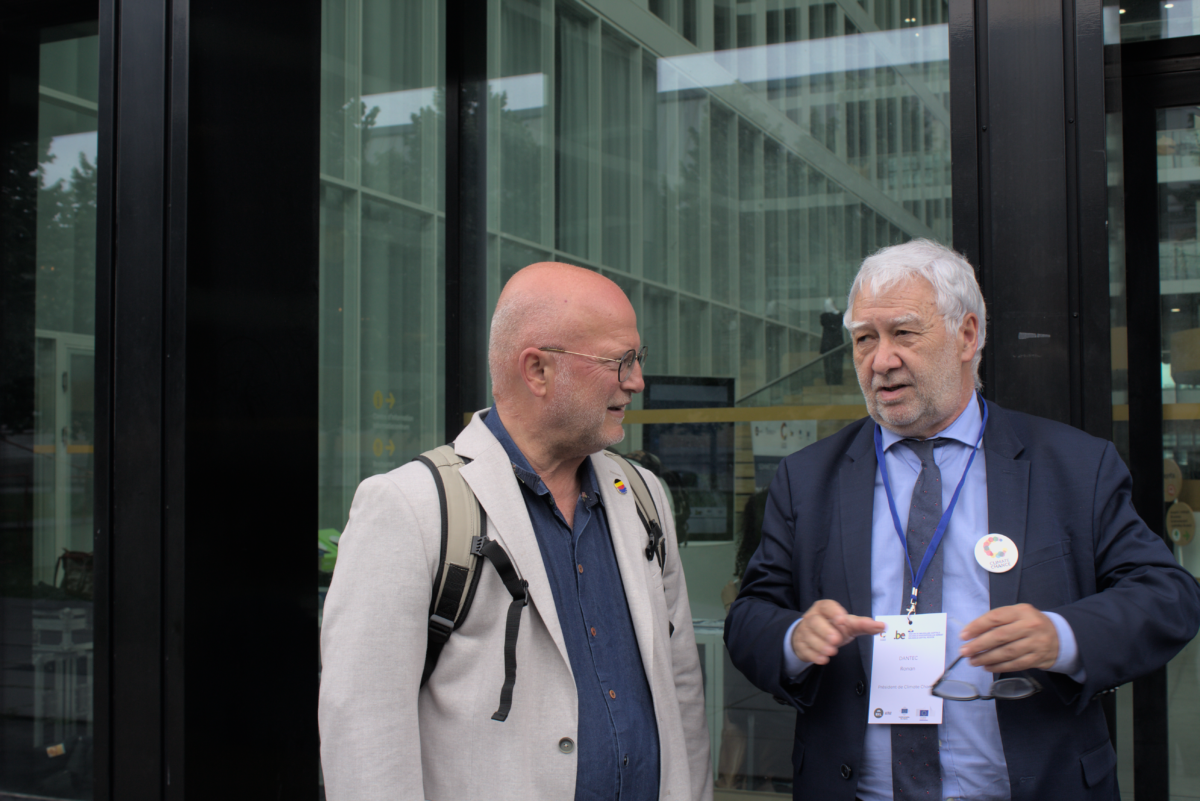
Another highlight of the Summit was the renewed support expressed by Belgium’s Federal Minister for Climate and Environmental Transition, Jean-Luc Crucke.
Present in Brussels alongside participants, the Minister praised the mobilization of non-state actors and made a concrete commitment by announcing that he would present the Brussels Declaration at the next meeting of the European Union Environment Council on 25 June.
This announcement gives additional political weight to the Summit’s outcomes. It will ensure that the proposals collectively developed by local stakeholders are brought directly to the attention of Member States at a time when the key orientations of the future European Adaptation Strategy are being defined.
Preserving the Ambition of Europe-Africa Cooperation
Discussions also highlighted the importance of maintaining a strong ambition for international cooperation.
While the future European strategy may increasingly focus on the resilience of European territory, many speakers stressed the need to preserve and strengthen partnerships with Africa. The Brussels Declaration emphasizes this issue, considering adaptation to be a shared challenge requiring common responses, knowledge sharing and increased investment between the two continents.
New Topics at the Heart of the Adaptation Agenda
The Summit also shed light on several emerging themes that are expected to gain increasing importance in the years ahead. Sessions dedicated to artificial intelligence and the right to access cooling illustrated the broadening scope of adaptation challenges and the need to anticipate responses to future climate vulnerabilities today.
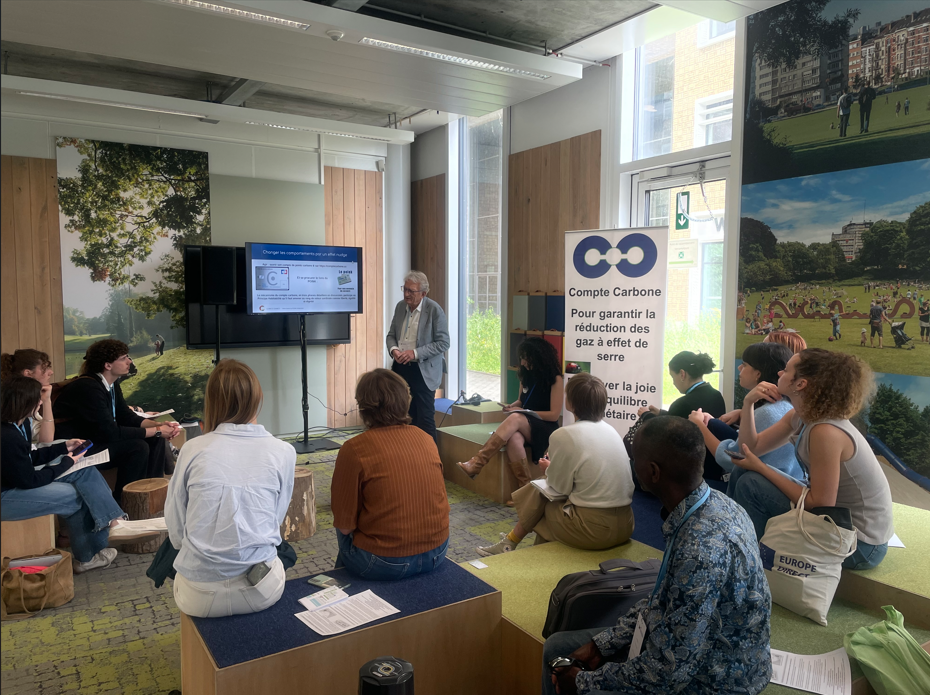
In total, 120 speakers took part in six plenary sessions and thirteen workshops dedicated to Europe’s key adaptation challenges, including financing, innovation, nature-based solutions, agricultural, water and energy resilience, international cooperation and territorial solidarity.
Today, the Brussels Declaration stands as the political synthesis of these discussions. Just months before the publication of the new European Adaptation Strategy, it sends a clear message: non-state actors are ready to contribute to building a more resilient Europe.
The first positive signals from the European Commission and the political support expressed by Minister Jean-Luc Crucke demonstrate that these proposals are now being heard. The next challenge will be to turn this momentum into concrete decisions. The Brussels Declaration provides a roadmap for doing so.
👉 Read the Brussels Declaration
The Summit also showcased 18 innovative European projects through its “Pitch Corner”. The initiatives presented covered technological, social and financial innovations.
👉 Discover all the selected projects