





CIMDC 2026 : Nine Priorities to Transform Urban Mobility in Africa
From 19 to 21 October 2026, the International Conference on Sustainable Mobility and Climate (CIMDC) brought together over 1,400 participants from 43 countries in Abidjan, Côte d’Ivoire. Three days of discussions, workshops and exchanges culminated in the adoption of the Abidjan Declaration, setting out nine priorities for more sustainabl
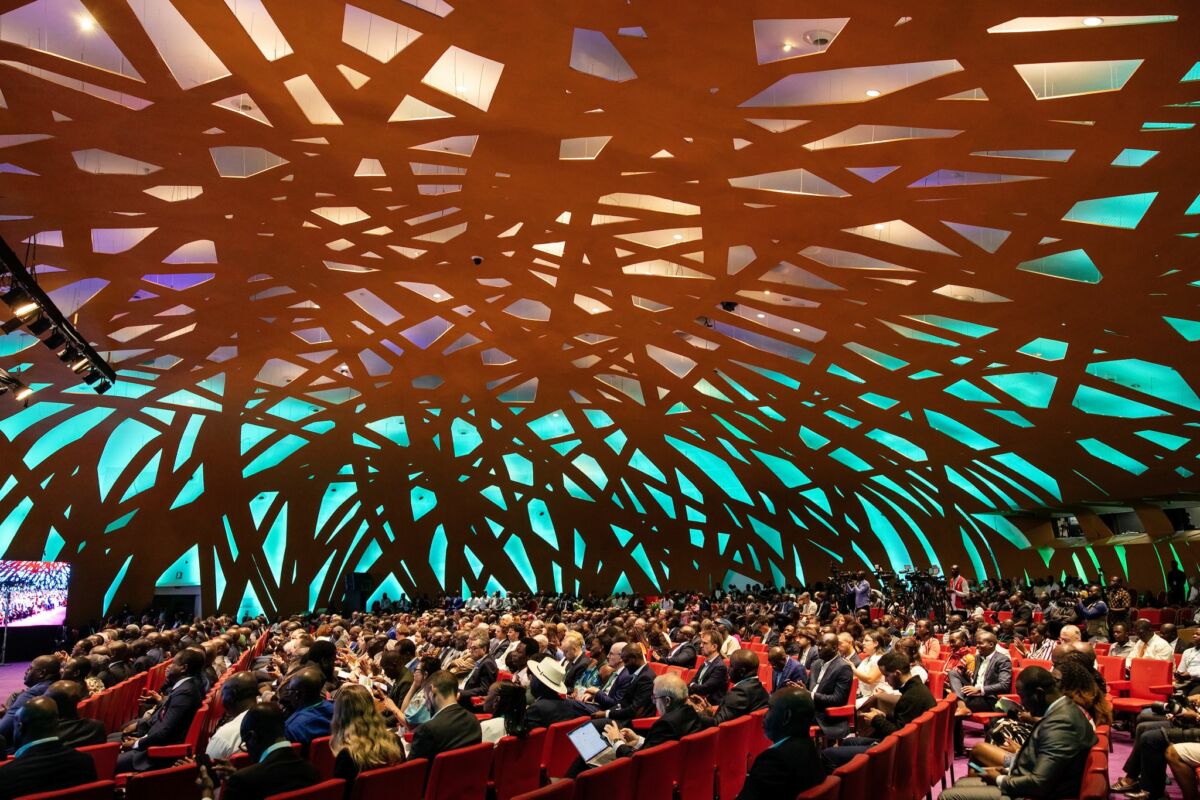
From 19 to 21 October 2026, the International Conference on Sustainable Mobility and Climate (CIMDC), organised by Climate Chance, CODATU and the Abidjan Urban Mobility Authority (AMUGA), brought together more than 1,400 participants from 43 countries, including 29 African countries, in Abidjan, Côte d’Ivoire.
Representatives of public authorities, transport organising authorities, local governments, transport operators, financial institutions, civil society organisations, researchers, businesses and young entrepreneurs gathered to discuss the future of urban and peri-urban mobility in Africa in the face of climate, demographic and economic challenges.
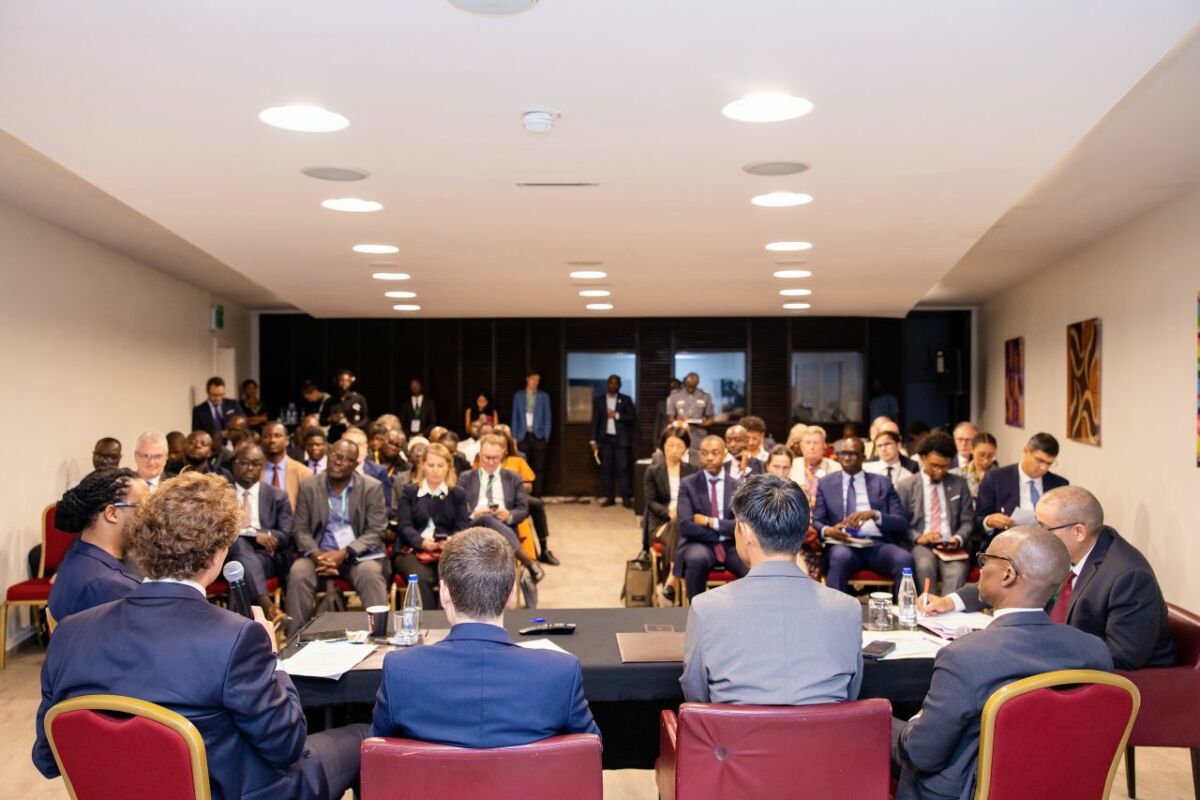
The programme featured more than 35 workshops, round tables and thematic sessions, all sharing a common objective: identifying practical solutions to build more sustainable, inclusive and resilient mobility systems. These discussions helped shape the Abidjan Declaration, adopted on 22 October 2026.
African mobility facing a dual climate and social emergency
Mobility and infrastructure are at the heart of a dual challenge: reducing emissions from the transport sector while adapting mobility systems to the growing impacts of climate change.
In Africa, these challenges are particularly significant. Rapid population growth and urban sprawl are increasing transport needs, while infrastructure and transport systems continue to face major challenges in terms of funding, governance and accessibility.
Yet mobility is essential to accessing healthcare, education, employment and markets. It is also a major driver of territorial transformation and economic development.
The continent nevertheless has an opportunity: to design low-carbon, inclusive and climate-resilient mobility systems from the outset, drawing on technological and social innovation and developing models suited to local realities.
Four key areas of discussion to transform African mobility
The CIMDC discussions were structured around four main thematic areas, bringing together perspectives and experiences from mobility stakeholders at different levels.

Axis 1 – Integrating sustainable mobility and urban planning
The five workshops in this area highlighted the importance of better integrating urban planning and transport systems. In the face of rapid urban sprawl across African cities, mobility must be taken into account from the earliest stages of new neighbourhood development.
Discussions emphasised the need to develop public transport, promote walking and cycling, improve parking management and the allocation of road space, while ensuring fair access to mobility services. Citizen participation was also identified as essential to designing solutions that respond to people’s needs.
Axis 2 – Governance, financing and sustainability of urban mobility in African cities in times of crisis
Through seven workshops, this area explored the institutional and economic conditions needed to develop sustainable mobility systems.
Discussions focused in particular on strengthening transport organising authorities, improving coordination between stakeholders, mobilising long-term funding and consolidating economic models. Technical and managerial capacity-building, as well as adapting transport systems to economic, social and environmental constraints, were also key topics.
Axis 3 – Sustainable mobility and climate
Led by Climate Chance, this area explored the links between transport decarbonisation and the adaptation of mobility systems to climate change.
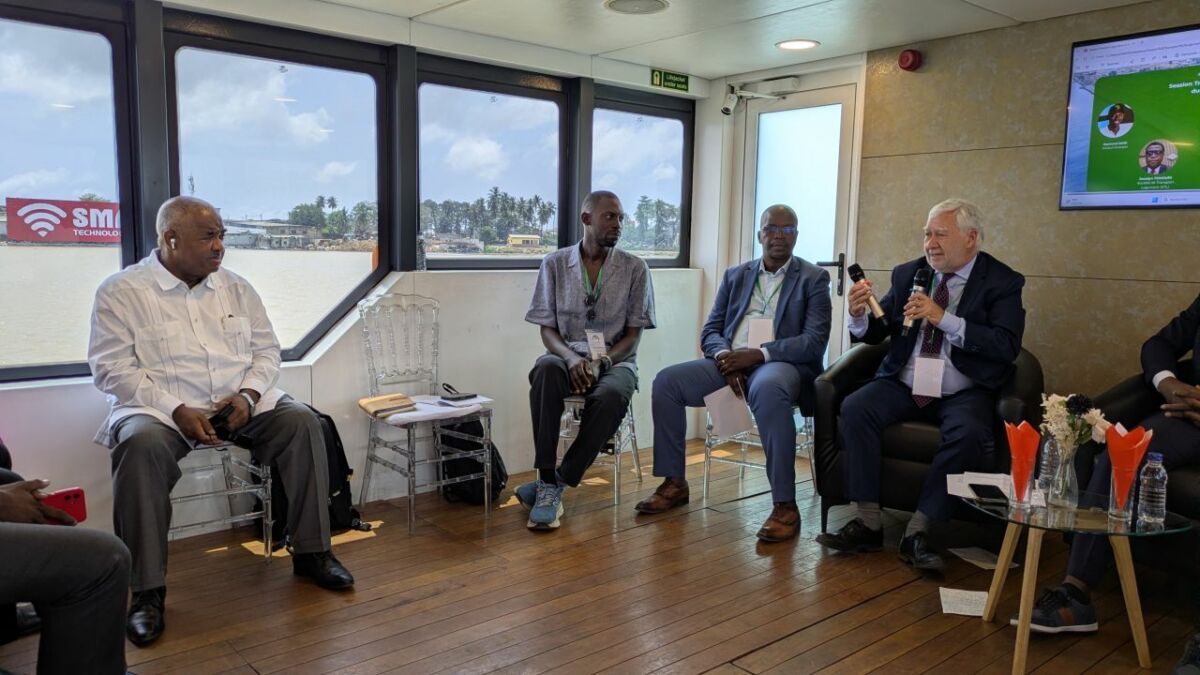
Discussions addressed the development of resilient infrastructure, lower-emission mobility solutions and improvements to urban logistics. Several case studies highlighted concrete initiatives, particularly those involving lagoon transport in Côte d’Ivoire.
Discussions also highlighted the potential of sustainable mobility to create jobs and support local economic development.

Axis 4 – Technological and social innovation
The fourth area highlighted the role of innovation in transforming African mobility systems.
Workshops explored the integration of different modes of transport, the development of electric mobility and light vehicles, as well as emerging technologies, including artificial intelligence.
Beyond technological solutions, discussions also focused on cross-cutting issues such as road safety, infrastructure maintenance, training, local job creation and greater female representation in the transport sector. Citizen participation and collective intelligence were also identified as essential to developing solutions adapted to local contexts.
The Abidjan Declaration: Nine priorities for sustainable mobility in Africa
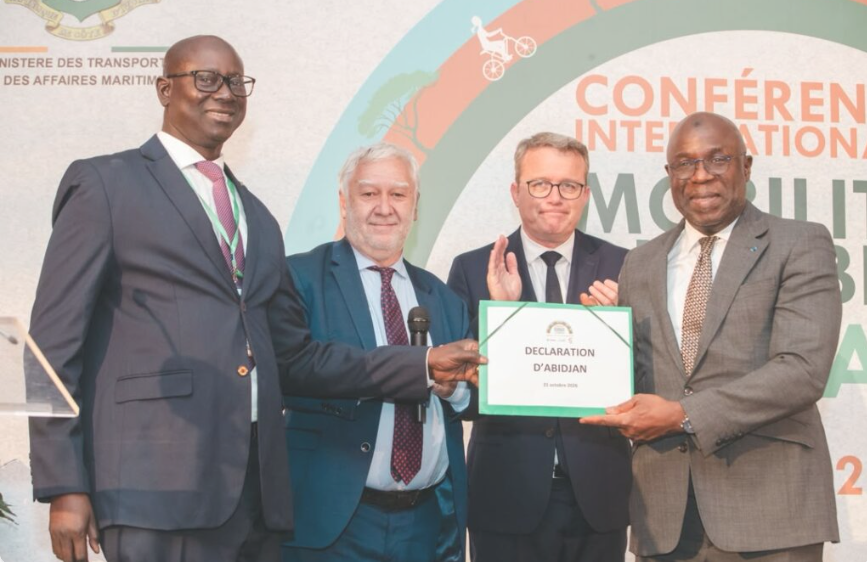
Adopted on 22 October 2026 at the conclusion of the conference, the Abidjan Declaration is the CIMDC’s main policy outcome.
Led by Climate Chance and CODATU and proposed to the African Association of Mobility Organising Authorities (AUMA), it builds on the discussions held during the conference and the work carried out at CODATU’s 19th Scientific Conference.
It sets out a shared vision for sustainable, inclusive, efficient and low-carbon urban mobility in Africa, based on nine priorities:
- Strengthen governance and transport organising authorities.
- Develop high-quality public transport.
- Make active mobility a priority.
- Decarbonise mobility in a realistic and equitable manner.
- Strengthen the resilience of mobility systems to climate change and disaster risks.
- Protect biodiversity and ecological connectivity in transport infrastructure.
- Mobilise funding.
- Support innovation, employment and mobility for people with specific needs, particularly women, young people, vulnerable populations and people with disabilities.
- Strengthen international cooperation.
Beyond its adoption, the ambition is to make the Declaration a practical reference point for public policies, stronger partnerships and the representation of African cities’ priorities in international agendas, particularly in the lead-up to COP31.
Strong institutional engagement in support of cooperation
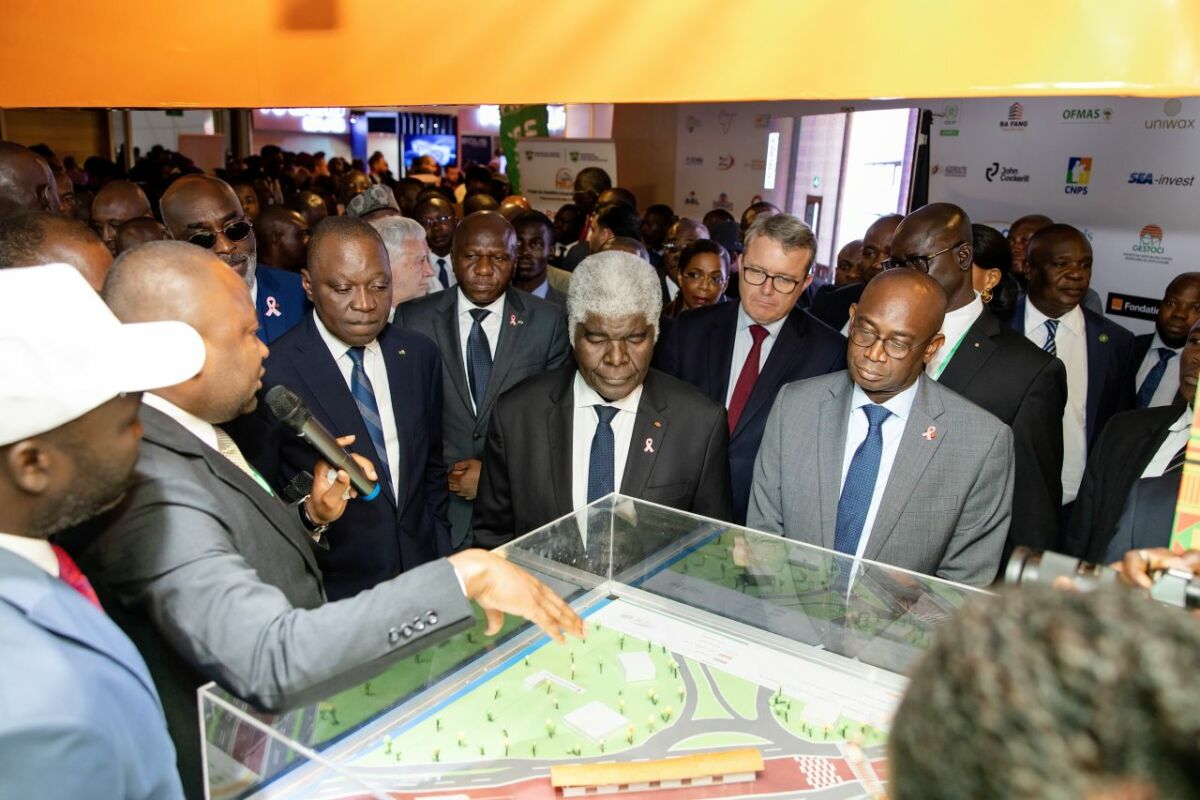
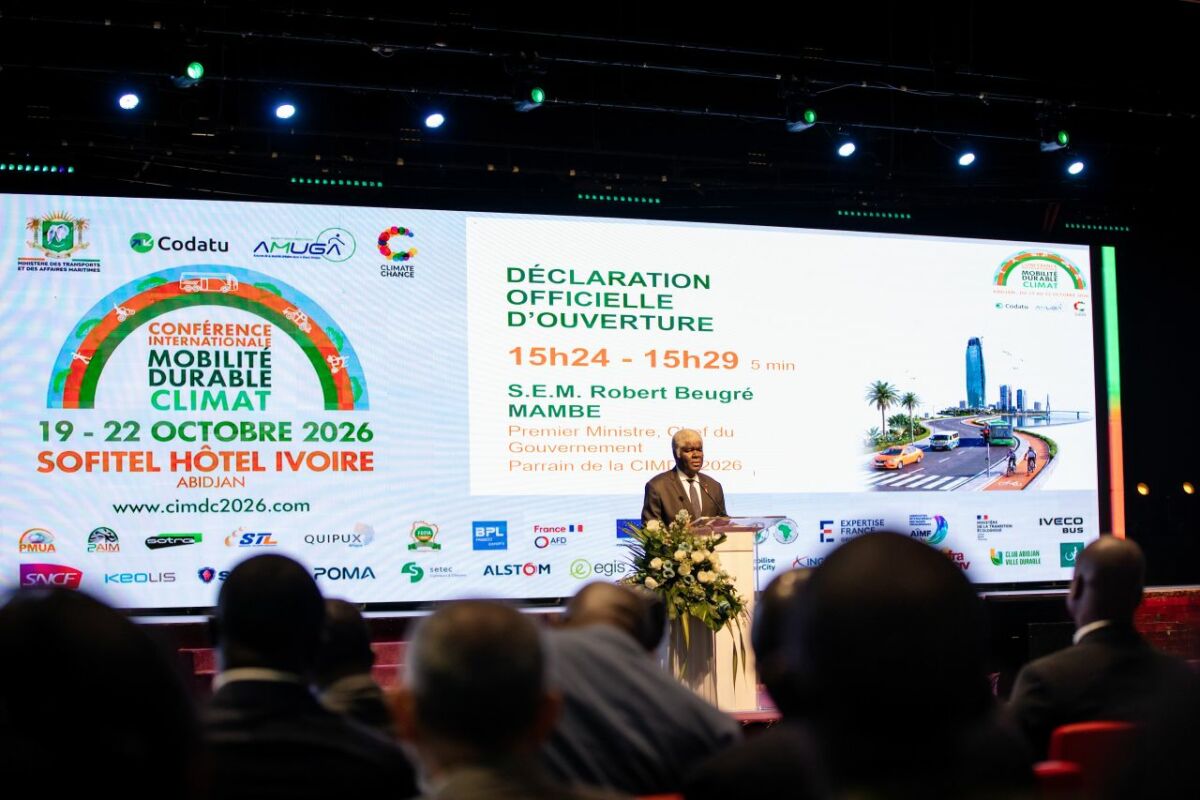
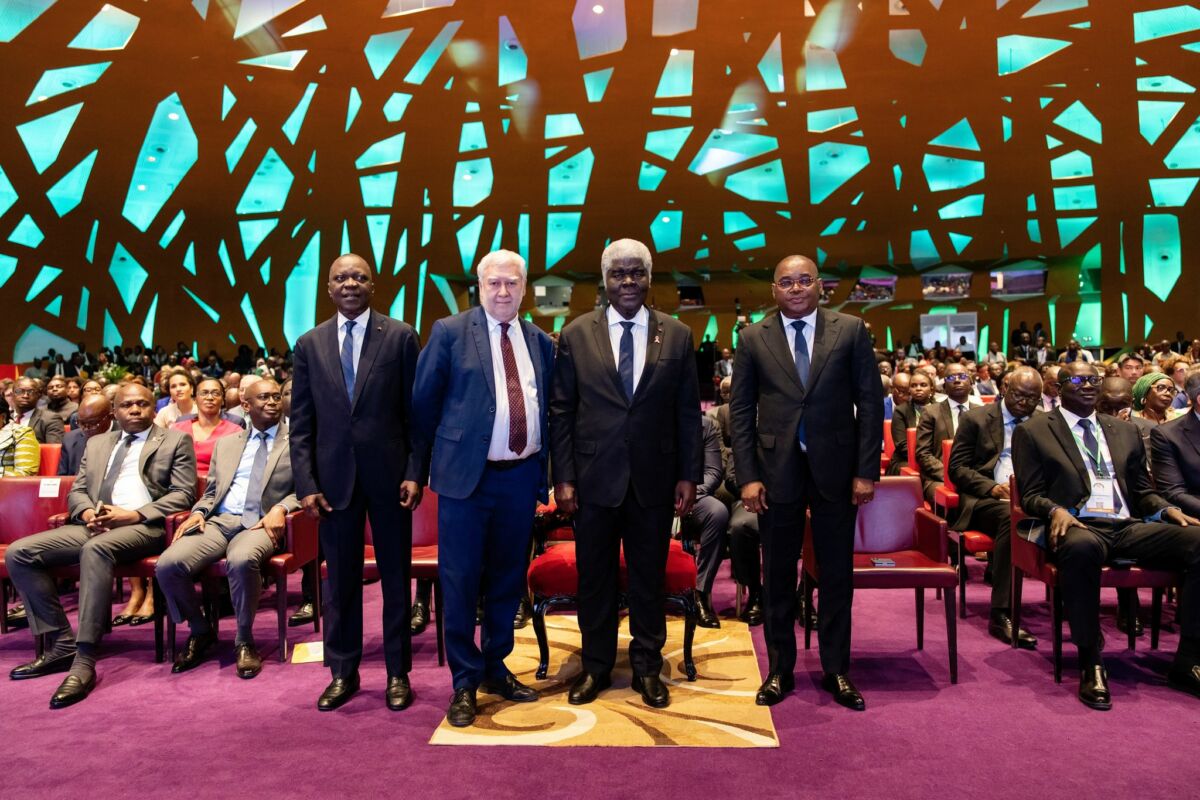
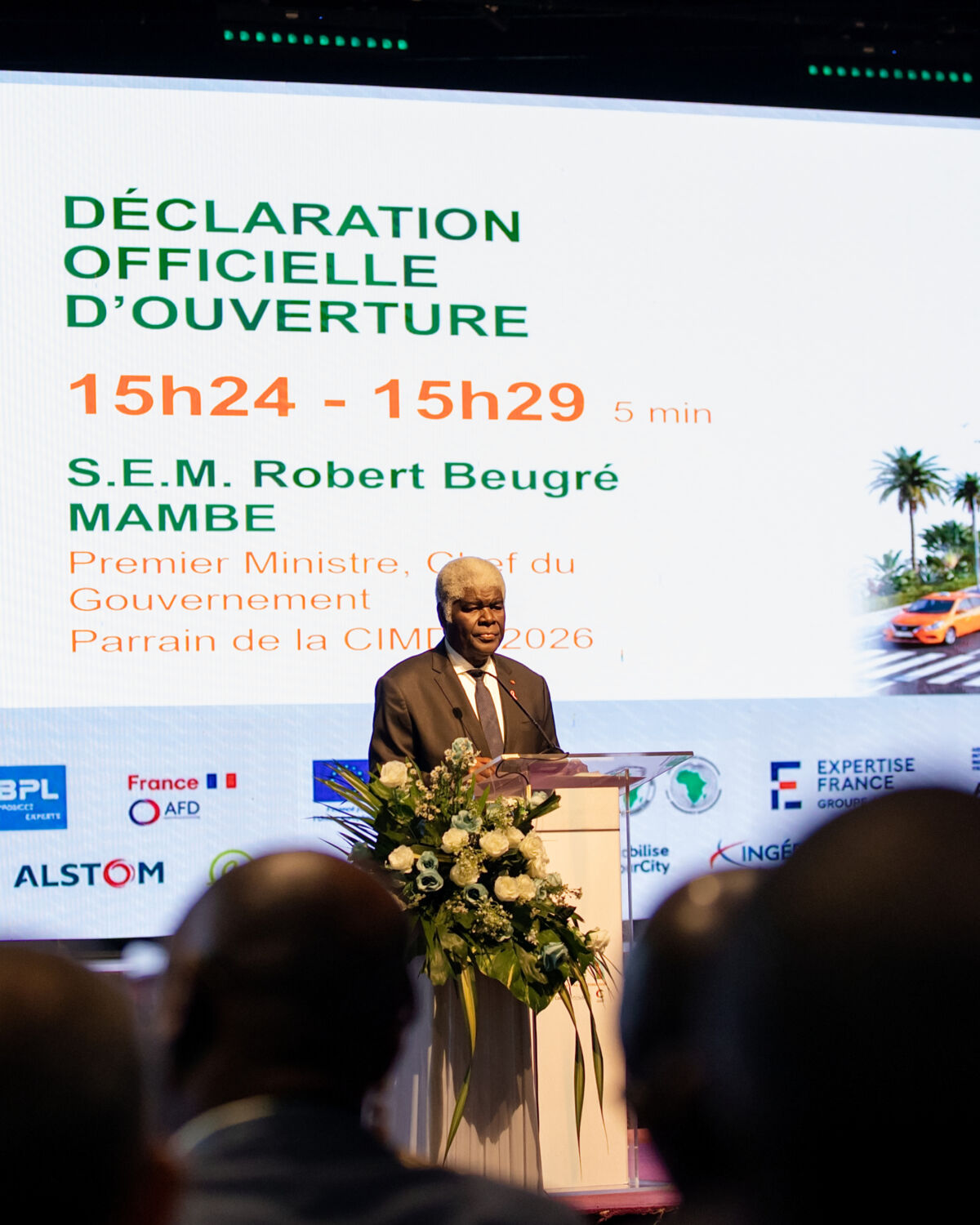
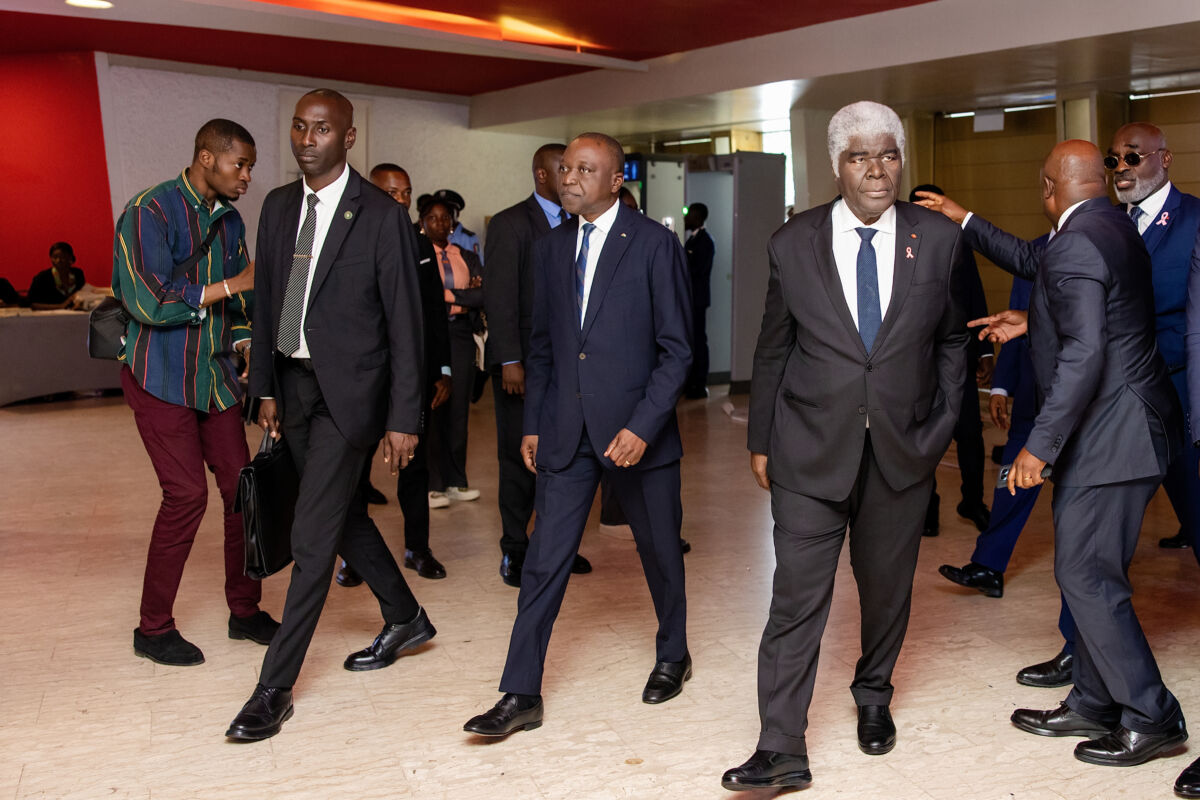
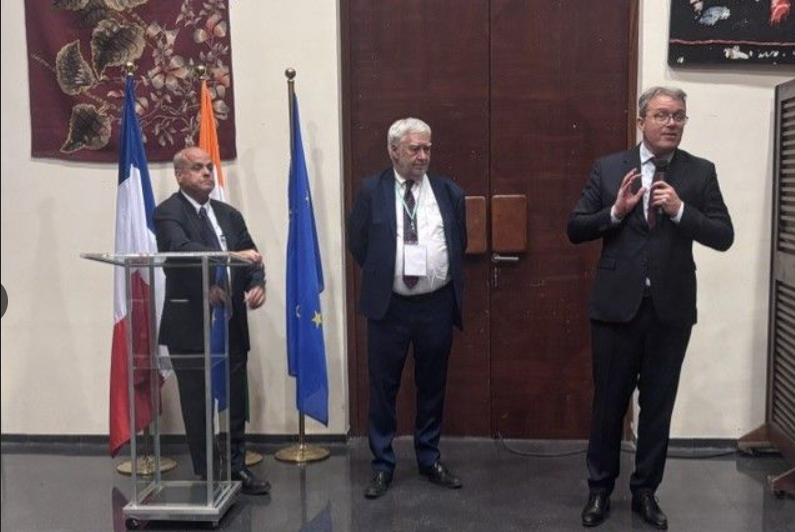
The official opening ceremony, held on 20 October at the Sofitel Abidjan Hôtel Ivoire, brought together several prominent political and institutional figures, including Amadou Koné, Minister of Transport and Maritime Affairs of Côte d’Ivoire; His Excellency Robert Beugré Mambé, Prime Minister of Côte d’Ivoire and patron of CIMDC 2026; Ronan Dantec, President of Climate Chance; and François Durovray, President of CODATU.
Their speeches highlighted the strategic role of mobility in economic development, social inclusion and territorial competitiveness. On this occasion, Minister Amadou Koné announced the relaunch of lagoon transport in Abidjan, including the construction of 13 lagoon terminals and the acquisition of 25 water buses.
A reception hosted at the Embassy of France in Côte d’Ivoire, attended by Ambassador Jean-Christophe Belliard and institutional representatives of the conference, also provided an opportunity to continue discussions and strengthen partnerships.
During the official closing ceremony, Romain Kouakou, Managing Director of AMUGA, reflected on several key takeaways from the conference: better connecting housing, employment and services; strengthening the integration of public transport and active mobility; and designing infrastructure capable of withstanding climate-related hazards. He also highlighted the potential of electric mobility, the digitalisation of informal transport and solutions developed in response to local realities.